Throat
Snoring and Its Treatment
Snoring occurs when tissues in the upper airway vibrate during sleep. It can disturb both the person who snores and their partner. Treatment starts with understanding the contributing factors and checking whether snoring is accompanied by obstructive sleep apnoea.
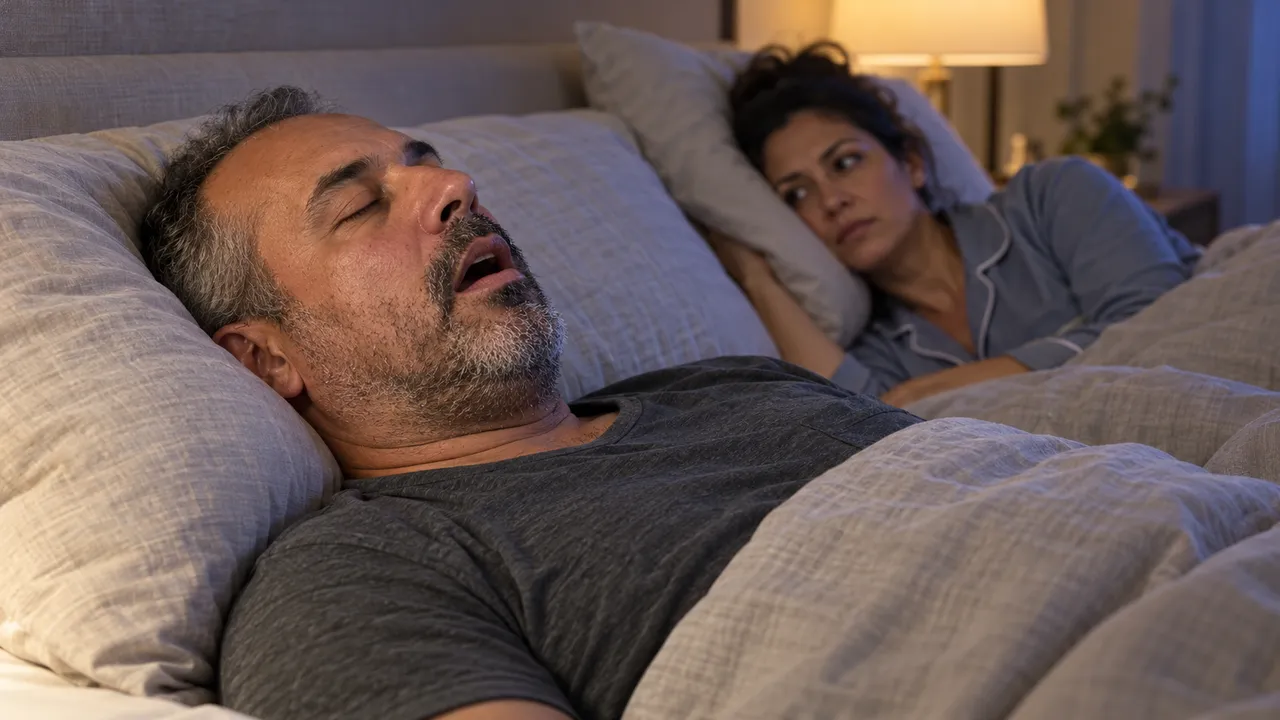
Why Does Snoring Occur?
During sleep, the muscles around the airway relax. Narrowing can make the surrounding tissues vibrate as air passes through.
Sleeping on the back, alcohol, excess weight and nasal obstruction may contribute. The anatomy of the tongue, palate and throat also matters. More than one area may be involved, so treatment needs to address the individual cause.
Snoring or Sleep Apnoea?
Snoring does not automatically mean sleep apnoea. However, obstructive sleep apnoea involves repeated narrowing or closure of the airway that disrupts breathing during sleep.
Signs that need assessment include:
- Witnessed pauses in breathing.
- Gasping or choking during sleep.
- Marked daytime sleepiness.
- Unrefreshing sleep or morning headaches.
- Difficulty concentrating.
The loudness of snoring alone cannot establish the diagnosis or its severity.
How Is It Assessed?
Assessment includes discussing sleep patterns, daytime symptoms, medication use and relevant health conditions. A partner’s observations can provide useful information.
An ENT examination looks for contributing nasal or throat problems. If sleep apnoea is suspected, an overnight sleep test may be arranged at home or in a sleep clinic. The results help guide treatment.
Non-Surgical Treatment
Depending on the cause, helpful measures may include sleeping on the side, reducing alcohol before bedtime, stopping smoking and managing weight where appropriate.
Treating nasal inflammation or obstruction may improve nasal breathing. Nasal strips or dilators help some people, but they do not replace assessment for suspected sleep apnoea.
A fitted mandibular advancement device holds the lower jaw forward during sleep. It may be suitable for selected people with snoring or obstructive sleep apnoea following appropriate assessment.
Treatment for Obstructive Sleep Apnoea
CPAP delivers pressurised air through a mask to keep the airway open during sleep. It is a commonly used treatment for obstructive sleep apnoea.
Treatment choice depends on severity, anatomy, symptoms and other health factors. Follow-up helps assess effectiveness and address difficulties with equipment. Do not drive when sleepy.
When Is Surgery Considered?
Surgery may be considered when an identifiable anatomical problem contributes to obstruction and the expected benefits outweigh the risks.
The procedure depends on the findings. Surgery does not reliably eliminate snoring in every patient, and symptoms can return. Follow-up remains important, particularly when sleep apnoea has been diagnosed.
Snoring in Children
Regular childhood snoring, especially with restless sleep or breathing pauses, should be assessed. Enlarged tonsils and adenoids are common contributors.
Some children can be monitored, while others need treatment, potentially including tonsil or adenoid surgery. Decisions depend on the child’s symptoms and assessment findings.
Discuss Your Symptoms
Contact the clinic to arrange an assessment for persistent snoring, disturbed sleep or suspected breathing pauses and discuss suitable next steps.
This information provides general guidance and does not replace an individual medical assessment.
Back to all procedures