Throat
Mouth Sores and Canker Sores
Mouth sores can make eating, drinking and speaking uncomfortable. Although many heal without specific treatment, recurring or persistent sores deserve attention. Understanding the type of lesion and any contributing factors helps guide appropriate care.
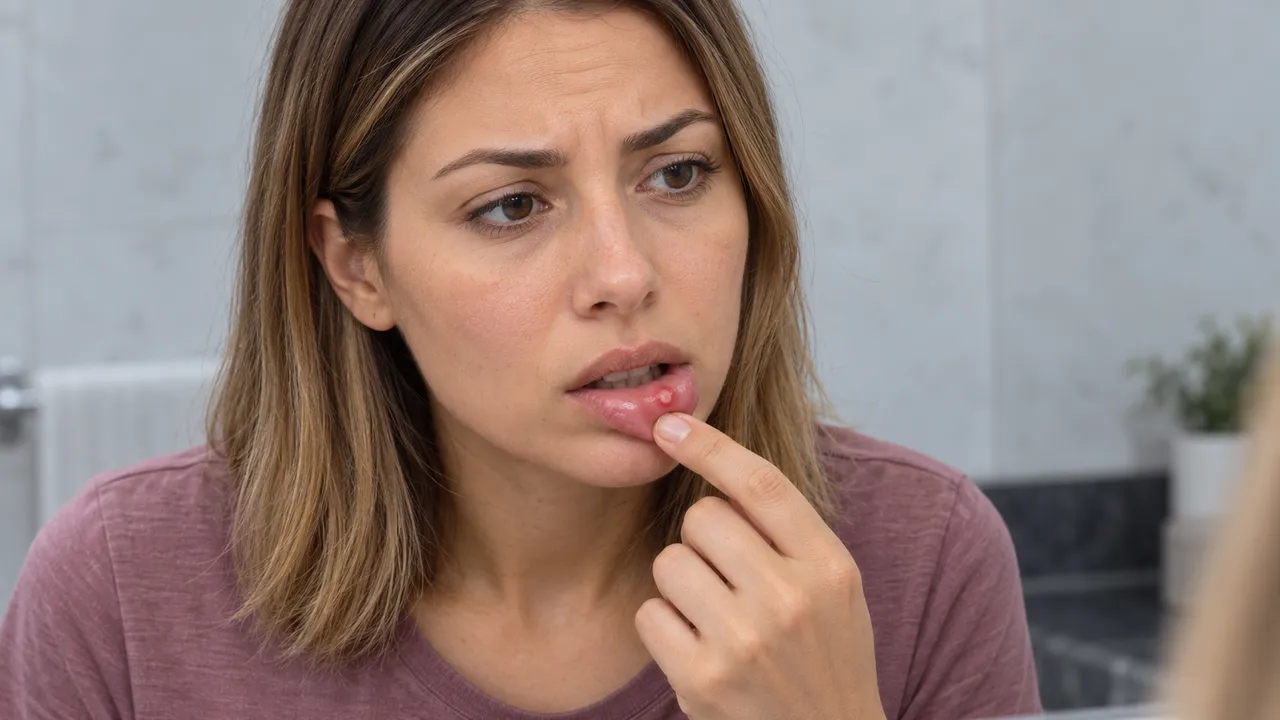
What Are Canker Sores?
Canker sores, also called aphthous ulcers, are painful, shallow sores inside the mouth. They commonly affect the inner cheeks, inner lips or tongue and often have a pale centre surrounded by a red border.
They are different from cold sores: aphthous ulcers are not caused by the herpes virus and are not contagious. However, not every sore in the mouth is an aphthous ulcer.
Why Do Mouth Sores Develop?
The exact cause of recurrent aphthous ulcers is not fully understood. Minor injuries, such as accidentally biting the cheek, and emotional stress may contribute to episodes.
Mouth ulcers can also be associated with nutritional deficiencies or conditions affecting the immune or digestive system. Repeated irritation from a sharp tooth or poorly fitting dental appliance is another possible cause of mouth sores. Identifying a contributing factor can help guide management.
How Are They Assessed?
Assessment usually begins with a discussion of when the sores started, how often they return and whether they occur alongside other symptoms. Examination helps assess their appearance and location.
Typical aphthous ulcers generally do not require tests. Further investigation may be appropriate when sores are unusually severe, persistent or frequently recurring. Depending on the findings, tests may look for nutritional deficiencies or an underlying medical condition.
Bring a list of your medicines and mention any recent dental work or previous treatments.
What Treatment Can Help?
Small aphthous ulcers often heal on their own. Treatment, when needed, aims to reduce discomfort and support healing.
Options may include topical pain-relieving preparations or prescribed corticosteroid treatments applied locally. The choice depends on the diagnosis, severity and individual circumstances.
If a deficiency or another medical condition is identified, addressing it may form part of treatment. Supplements should be based on an identified need. Severe cases may require additional clinician-supervised treatment.
Caring for Your Mouth During Healing
Use a soft toothbrush and choose foods that are easy to chew. Avoid very hot, spicy, acidic or rough foods if they aggravate the sore. Gentle saltwater rinses may help; spit the solution out afterwards.
Arrange a dental review if a tooth, filling or appliance repeatedly rubs the same area. Even with appropriate care, some people experience further episodes.
When Should You Seek Medical Advice?
Arrange an assessment if a sore is not healing after two weeks. Any ulcer lasting longer than three weeks should be examined, even if it is not particularly painful.
Seek advice sooner for unusually large sores, bleeding, worsening redness or frequent recurrences. Severe pain, fever or difficulty drinking also warrant prompt attention.
Most mouth ulcers are harmless, but a persistent lesion should not automatically be assumed to be an ordinary canker sore.
Discuss Your Symptoms
Contact the clinic to arrange an assessment of persistent or recurring mouth sores and discuss appropriate next steps.
This information provides general guidance and does not replace an individual medical assessment.
Back to all procedures